Existing Conditions
The age, condition, layout, structure, utilities, concealed conditions, and prior modifications affect the proposed work.

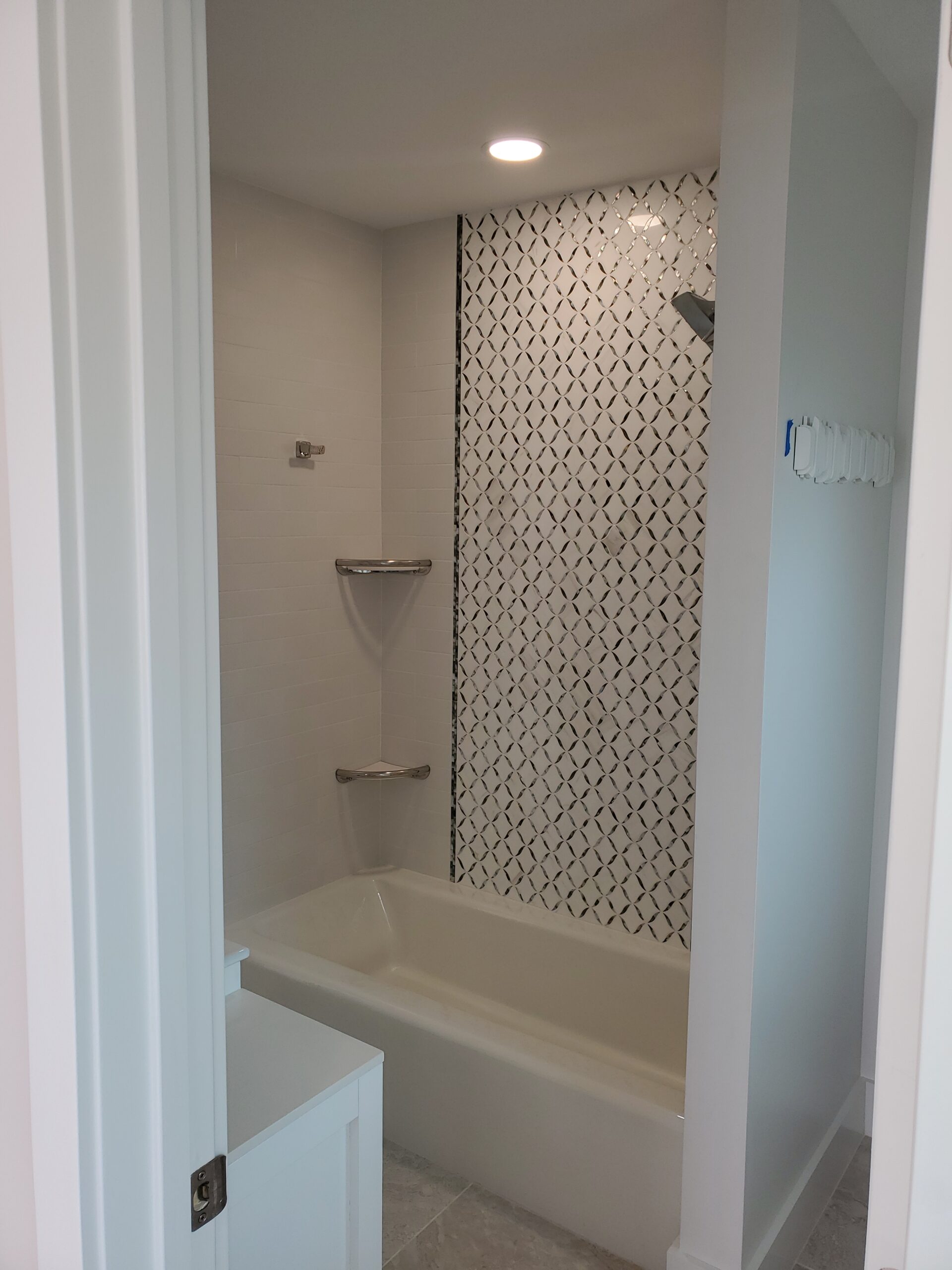
Every substantial construction project begins with a clear understanding of the property, intended scope, structural requirements, desired finishes, schedule priorities, and professionals needed to move the work forward.
Two projects with similar square footage can require very different scopes. Existing conditions, structural changes, access, permitting, systems, engineering, material selections, and construction sequencing all influence how the work should be planned.

These areas help determine which documents, professionals, selections, and construction steps may be required.
The age, condition, layout, structure, utilities, concealed conditions, and prior modifications affect the proposed work.
Foundations, framing, roof systems, openings, load paths, tie-ins, and reinforcement may require engineering and coordinated inspections.
Surveys, architectural plans, engineering, product approvals, permit requirements, and agency review shape the path to construction.
Lot conditions, setbacks, staging, delivery access, drainage, flood considerations, utilities, and occupied areas affect the sequence.
Electrical, plumbing, HVAC, windows, doors, cabinetry, fixtures, surfaces, appliances, and finish direction must be coordinated.
Material availability, trade sequencing, inspections, owner decisions, weather protection, and project communication influence progress.
The exact path varies, but a substantial residential project generally becomes clearer through these four stages.
Provide the address, goals, project type, available documents, photographs, priorities, and desired timing.
Consider the existing structure, lot, access, systems, setbacks, permitting factors, and conditions visible at the time.
Clarify plans, engineering, selections, responsibilities, exclusions, permitting needs, and trade coordination.
Identify the appropriate consultation, document review, property visit, design work, or proposal-development step.
Send the property address, project type, a brief description of the desired work, photographs, available plans or surveys, timing priorities, and your best contact information.
No. Available drawings and documents are helpful, but the first conversation can identify what additional planning, design, engineering, or property information may be needed.
New homes, ADUs, room and second-story additions, whole-home renovations, and structural remodeling that require professional planning, multiple trades, permits, inspections, and coordinated oversight.
Lou reviews the information and may request additional details. The next appropriate step can then be identified based on the project, documents, property, and intended scope.
Email Lou with the property address, project type, desired scope, timing, and any plans or photographs available. LRG General Contracting Services, Inc. will review the information and identify the appropriate next step.